Life Insurance 101: Everything You Need to Know Before You Buy
Life insurance is one of those things people know they should have, but often put off because it feels complicated or uncomfortable to think about. In reality, life insurance is simply a way to protect the people who depend on you financially.
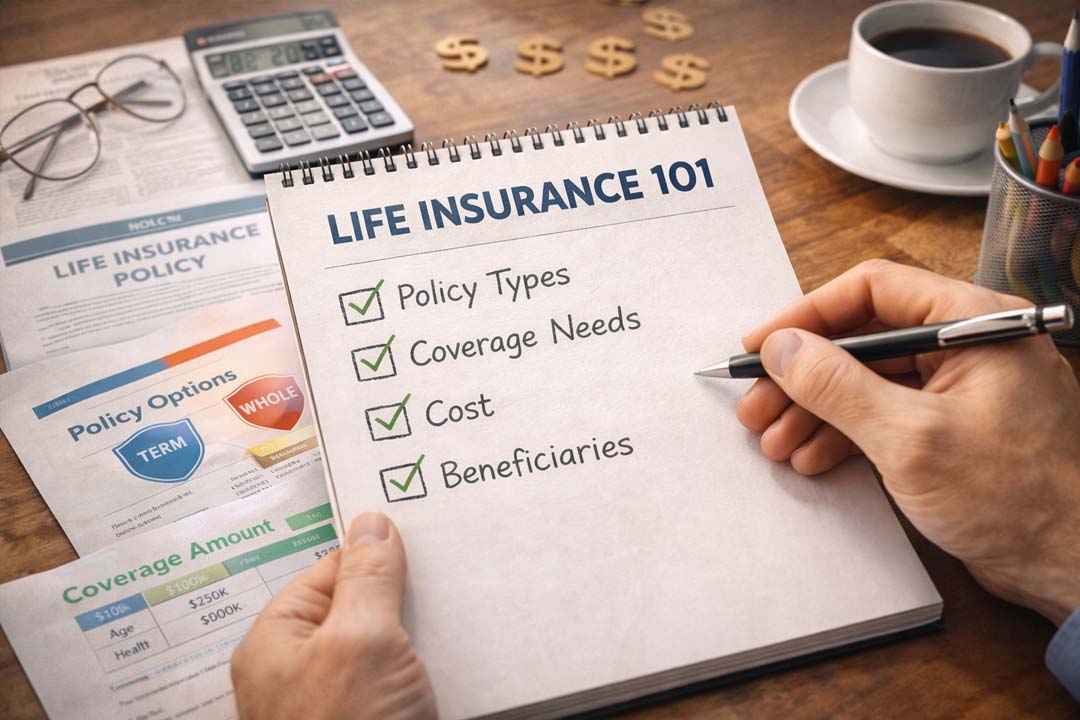
Before you buy a policy, it’s important to understand how life insurance works, what types are available, and how much coverage you actually need.
Key takeaways
- Life insurance pays a death benefit to your beneficiaries when you pass away.
- Term life is usually more affordable, while whole life provides lifetime coverage and cash value.
- Your coverage amount should reflect income replacement, debts, future expenses, and final costs.
- Buying earlier can help lock in lower rates before age or health changes increase premiums.
What is life insurance?
Life insurance is a contract between you and an insurance company. You pay regular premiums, and in return, the insurer pays a death benefit to your beneficiaries when you pass away.
That money can be used for:
- Funeral and burial expenses
- Mortgage or rent payments
- Daily living costs
- Debt repayment
- Education expenses for children
The goal is to prevent your loved ones from facing financial hardship during an already difficult time.
Why life insurance matters
Even if you don’t think of yourself as the main provider, your income or contributions likely support someone else in some way.
Life insurance helps:
- Replace lost income
- Protect family savings
- Prevent loved ones from going into debt
- Maintain stability after your passing
It’s not about planning for death — it’s about planning for your family’s future.
Main types of life insurance
Term life insurance
- Coverage for 10, 20, or 30 years
- Lower premiums
- Simple and straightforward
Term life drawbacks
- Coverage ends when the term expires
- No cash value
Term life insurance is often best for families with young children, people with mortgages or large debts, and anyone needing affordable coverage.
Whole life insurance
- Lifetime coverage
- Cash value grows over time
- Does not expire if premiums are paid
Whole life drawbacks
- Higher premiums
- More complex than term life
Whole life insurance may fit long-term planning needs, permanent coverage goals, or people interested in building cash value.
Universal life insurance
- Flexible premiums
- Adjustable coverage
- Potential cash value growth
Universal life drawbacks
- Can be risky if investments underperform
- Requires more monitoring
Universal life can work for people who want flexibility and long-term financial strategy, but it requires more attention than simpler policies.
Compare life insurance options
Review coverage options that may fit your family, budget, and protection goals.
How much coverage do you need?
A simple way to estimate coverage is to consider:
- Annual income multiplied by the number of years your family would need support
- Remaining mortgage balance
- Outstanding debts
- Future expenses such as education or medical costs
- Funeral expenses
Many experts suggest 10–15 times your annual income, but your exact needs depend on your lifestyle and obligations.
What affects your life insurance cost?
Several factors determine your premium, including:
- Age, with younger applicants usually paying less
- Health history
- Smoking status
- Coverage amount
- Policy type and length
Buying earlier can lock in lower rates for years to come.
Common mistakes to avoid
- Waiting too long to buy and facing higher premiums
- Choosing the cheapest policy without enough coverage
- Forgetting to update beneficiaries after life changes
- Canceling policies without securing replacement coverage
- Assuming employer-provided insurance is enough
Employer coverage is often limited and may not follow you if you change jobs.
How to choose the right policy
Before buying, ask yourself:
- Who depends on my income?
- How long will they need financial support?
- Do I want lifetime protection or temporary coverage?
- Can I afford long-term premiums?
Comparing multiple quotes and policy options can help you find the best balance of cost and protection.
When should you buy life insurance?
The best time to buy life insurance is before you urgently need it. Major life events that signal it’s time to consider coverage include:
- Getting married
- Having children
- Buying a home
- Starting a business
Even single individuals may want coverage to protect parents or cover final expenses.
Final thoughts
Life insurance doesn’t have to be complicated. At its core, it’s about making sure the people you love are financially protected if something happens to you.
By understanding the types of policies, knowing how much coverage you need, and choosing a plan that fits your budget, you can buy life insurance with confidence and peace of mind.
It’s not just a financial decision — it’s a responsible step toward securing your family’s future.