Home Insurance Made Affordable: Tips to Lower Your Premiums
Owning a home is one of life’s biggest achievements — but protecting it doesn’t have to break the bank. With a few smart strategies, you can lower your premiums while still keeping your home fully protected.
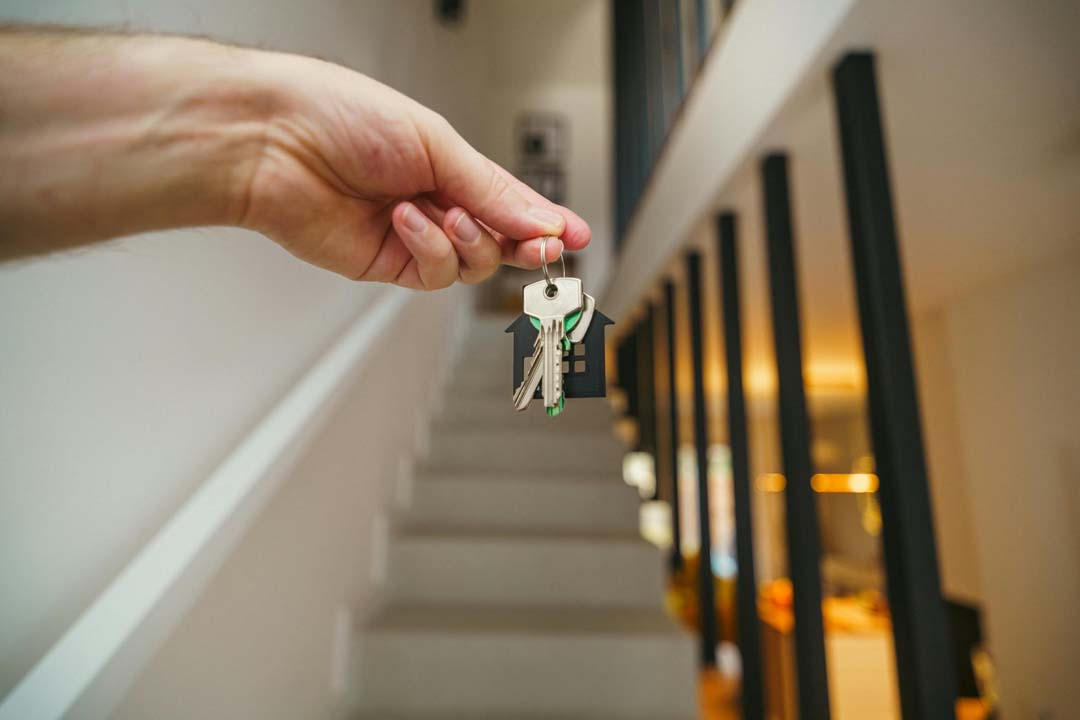
In this article, we’ll explore practical tips to make home insurance affordable and help you get the most value for your money.
Key takeaways
- Comparing multiple quotes can help you find better coverage at a lower price.
- Bundling, raising deductibles, and improving home safety may reduce premiums.
- Good credit, regular policy reviews, and available discounts can create long-term savings.
- Do not cut essential coverage just to save money upfront.
1. Shop around and compare quotes
Insurance companies calculate premiums differently, even for the same coverage. One insurer may charge high rates for your location, while another could offer a much better deal.
Tips:
- Get at least 3–5 quotes before committing.
- Compare not only the price but also coverage limits, deductibles, and exclusions.
- Use online comparison tools to save time.
Switching insurers can sometimes save hundreds of dollars annually.
Compare home insurance options
Review coverage options that may help lower your premium while protecting your home.
2. Bundle your policies
Many insurers offer discounts if you combine home insurance with other policies like:
- Auto insurance
- Renters insurance
- Life insurance
This bundle discount can reduce your premiums significantly and also simplify payments and renewals.
3. Raise your deductible
Your deductible is the amount you pay out-of-pocket before insurance covers a claim. Choosing a higher deductible can lower your monthly premium.
- $500 deductible usually means a higher monthly premium.
- $1,000 deductible usually means a lower monthly premium.
Make sure you have enough savings to cover the deductible in case of a claim.
4. Improve home safety and security
Insurance companies reward homeowners who take steps to protect their property. Consider:
- Installing smoke detectors and fire extinguishers
- Adding security systems, cameras, or smart locks
- Reinforcing doors, windows, and garage doors
- Maintaining your roof and plumbing
These upgrades not only protect your home but may also make you eligible for discounts.
5. Maintain a good credit score
In many regions, insurers use credit history as a factor in pricing policies. A higher credit score often means lower premiums.
Tips to improve your score:
- Pay bills on time
- Reduce outstanding debt
- Avoid unnecessary credit inquiries
Even small improvements in your score can make a noticeable difference in your insurance costs.
6. Review and update your coverage regularly
Life changes, and so do your insurance needs. Regularly reviewing your policy ensures you’re not paying for unnecessary coverage.
Ask yourself:
- Do I still need full replacement cost coverage for older items?
- Are my valuables properly listed and insured?
- Has my home’s market value changed?
Adjusting coverage levels to match your current needs can lower premiums without reducing protection.
7. Ask about available discounts
Insurance companies often have discounts that homeowners overlook. Some examples include:
- Claims-free or loyalty discounts
- Discounts for new or renovated homes
- Discounts for retired or low-mileage homeowners
Always ask your insurer which discounts you qualify for — even a few small reductions can add up.
What not to do
Saving on insurance doesn’t mean cutting essential protection. Avoid:
- Skipping coverage for natural disasters required in your area
- Choosing extremely low liability or replacement coverage
- Ignoring your policy’s exclusions
Under-insuring your home may save money now but can cost thousands later.
When to review your policy
Review your policy when:
- You renovate or add value to your home
- You move to a new location
- Your personal belongings increase in value
- Your insurer increases rates
A proactive approach ensures you always have the right coverage at the best price.
Final thoughts
Home insurance is a must, but it doesn’t have to drain your wallet. By shopping around, bundling policies, increasing deductibles wisely, improving home safety, and taking advantage of discounts, you can lower your premiums while keeping your home fully protected.
Start with one small change today — the savings can last for years.